
One Cue, Every Situation
From sneaky pete cues for the bar table to dedicated break and jump sticks, there’s a J&J built for how you actually play.
Stocked by the Players
Sold wholesale to pool rooms and retailers who put these cues in players’ hands every day — not just hoped for.
Solid Where It Counts
Best Sellers
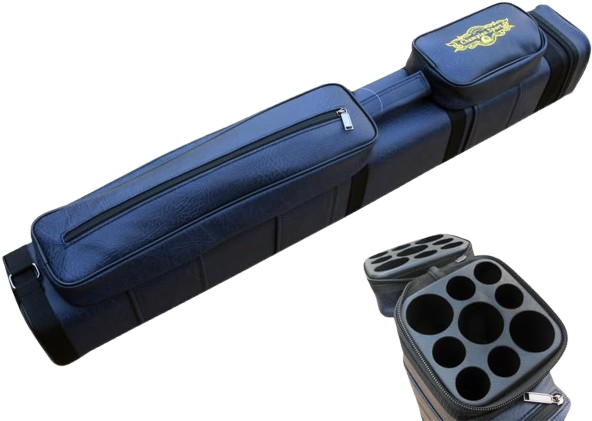
Leather 3×6 Hard Pool Cue Case
The case holds up to 3 butts and 6 shafts, featuring a cushioned interior and individually lined tubes with premium interiors designed to provide excellent protection for your cues.
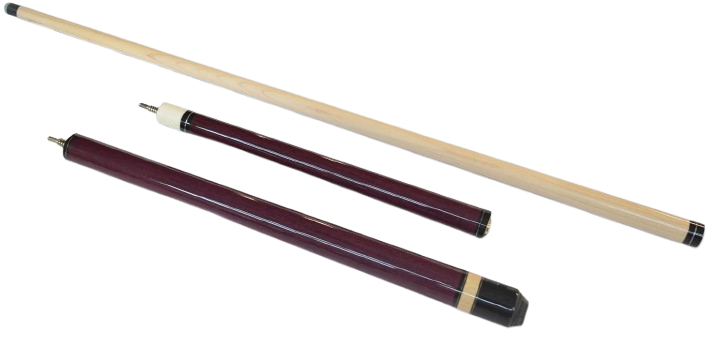
Jump Break Pool Cue Stick 3-Piece
The HAN’S DELTA Jump Break cue is made from Canadian maple and comes with a manufacturer warranty. The model with a package size of 31.5 × 3.94 × 1.97 inches and a package weight of 0.8 kg.
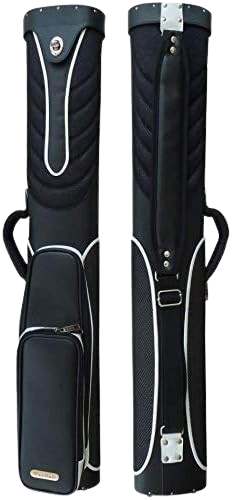
2×4 Billiards Pool Cue Stick Case
Try the new C24Q J&J Vincitore case, featuring a stylish new design with space for 2 butts and 4 shafts. It includes satin dividers, 2 pouches, a comfortable handle, and a shoulder strap for easy carrying.

Leather Billiards Pool Case
The J&J hard pool cue case is made from brown Angora vinyl and holds 2 butts and 2 shafts. It features two pockets, a shoulder strap, and satin-lined dividers to keep each cue securely separated .
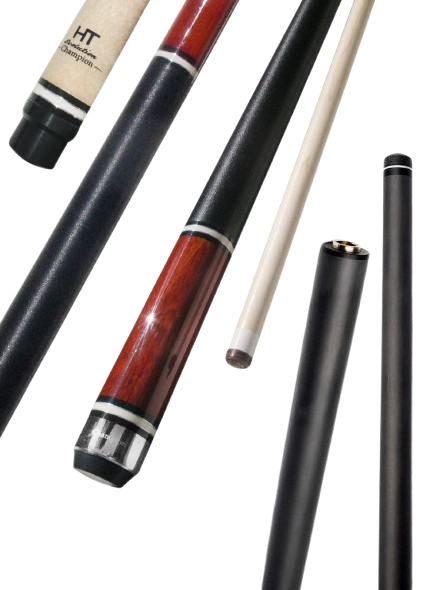
Champion Evolution Carbon Shaft
Our new products feature an updated wrap and ultra-smooth coating that glides through your fingers just like a traditional wood shaft.
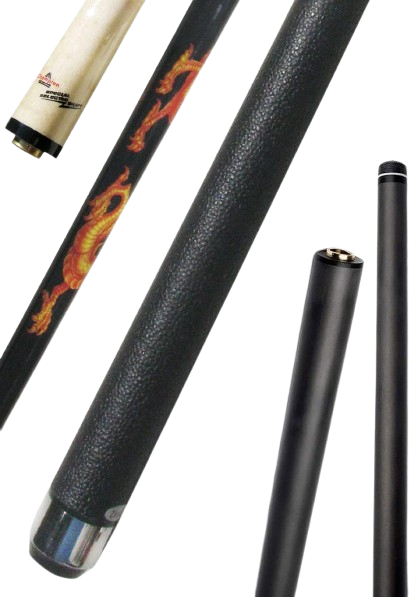
Limited Edition Carbon Shaft
Made from carbon fiber, this 29-inch shaft features a 12.5–12.8 mm top diameter, 21.4 mm bottom diameter, 0.95 mm wall thickness, a pro taper.
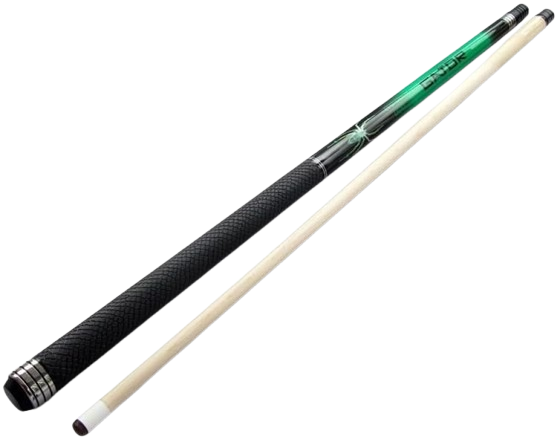
Spider Cue Stick Billiards Maple Pool Cue Stick
Try the new C24Q J&J Vincitore case, featuring a stylish new design with space for 2 butts and 4 shafts. It includes satin dividers, 2 pouches, a comfortable handle, and a shoulder strap for easy carrying.
Leather Billiards Pool Case
The J&J hard pool cue case is made from brown Angora vinyl and holds 2 butts and 2 shafts. It features two pockets, a shoulder strap, and satin-lined dividers to keep each cue securely separated .
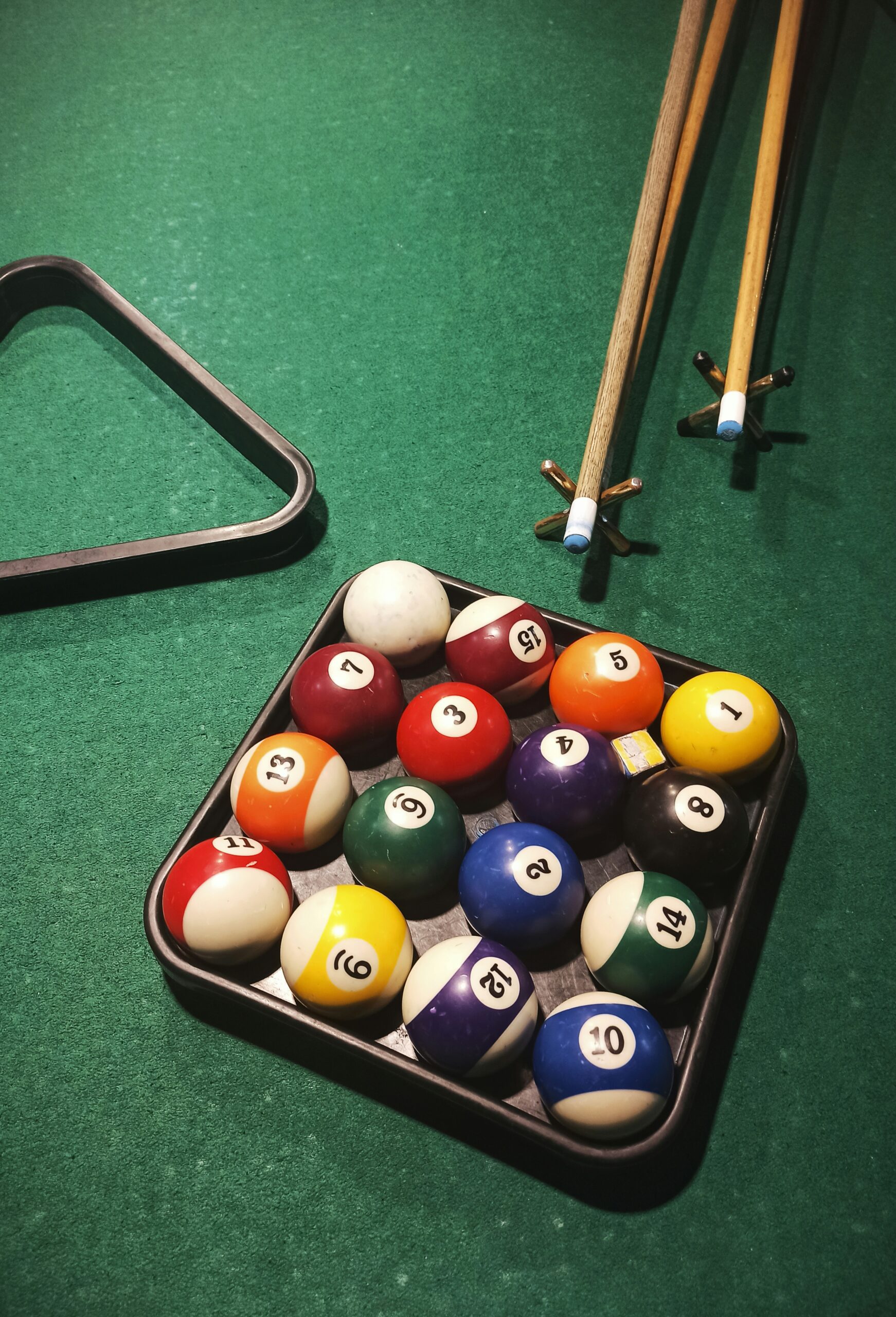
The Table Doesn’t Lie
J&J Billiards started as two guys arguing about slate versus MDF and just… never really stopped. We build tables, cues, and everything that goes with them for people who actually rack a game more than once a month — not the ones buying a table because it looks good in a basement listing photo. No influencer unboxings, no “limited edition” felt colors dropped for a weekend and gone. We keep a tight lineup, we restock it, and we’d rather you buy one table that lasts than three that don’t.
Most of what separates a good table from a bad one is invisible until year two. Slate warps, rails go dead, pockets stretch out and start spitting balls back at you at the wrong angle — and none of that shows up on a showroom floor where the felt’s still stiff and nobody’s leaned on the rail yet. So we test the boring way: tables get set up, played on hard, moved, humidity-swung, and left alone for months before we’re willing to put our name on them. If a rail goes soft or a pocket loosens before it should, that table doesn’t make the catalog, full stop — doesn’t matter how it looked coming out of the crate.
Pricing’s the other thing we’re stubborn about. We’re not trying to undercut everyone with particleboard dressed up in vinyl, and we’re not charging luxury-brand money for a logo and a nicer box. Somewhere in the middle is where an honest table lives, and that’s where we’ve stayed. If you’re the type who checks the slate thickness before you check the color, or who’s replaced a cheap cue tip more times than you’d like to admit, this is built for you — not for the table that sits under a cover, but for the one that’s actually getting racked on a Tuesday night.
Categories of Cues
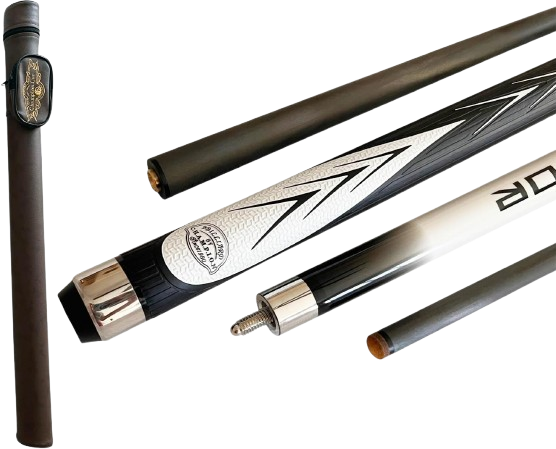
Carbon Fiber
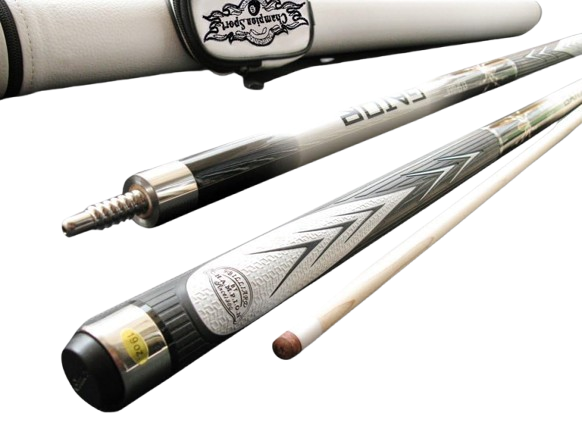
Maple Pool
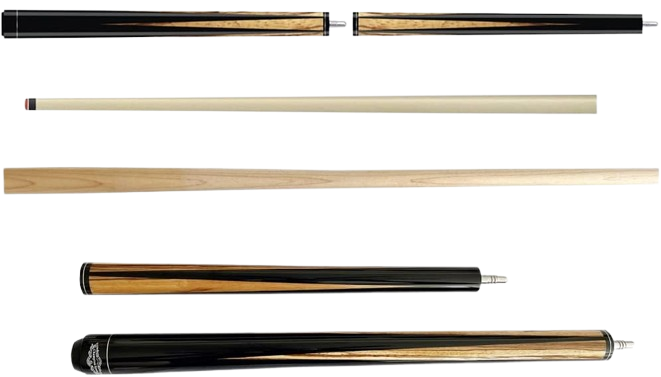
Jump and Break
Billiard Accessories

Pool Cases
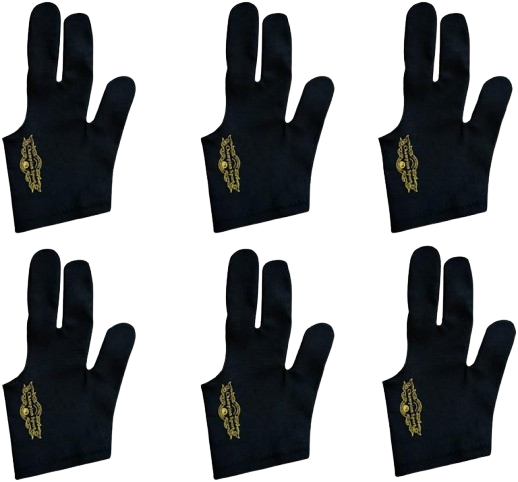
Pool Gloves
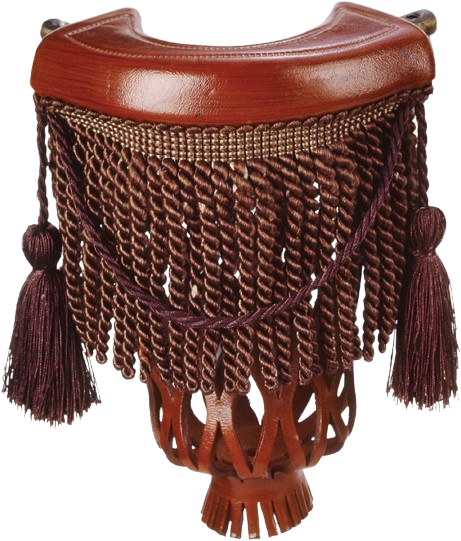
Pool Table Pockets
“I’ve gone through three house cues that warped by the second summer. My J&J has sat in a hot garage for two years now and the tip still centers dead on.”
Frank Delaney
J&J Tournament Series Cue

A Few Things Worth Knowing
A one-piece design keeps the shaft and butt permanently joined, which gives a stiffer, more consistent feel favored by many long-time players. A two-piece version separates at a center joint, making it easier to transport and store while keeping most of that same feel once the joint is properly tightened.
A tip typically lasts anywhere from six months to a couple of years, depending on frequency of use and upkeep. Flattening, mushrooming over the edges, or a hard, glassy surface are usually signs that a replacement is due.
Chalk residue is generally harmless in small amounts but can build up on the tip, ferrule, and grip area if left unaddressed. Wiping down these spots with a dry cloth after use keeps buildup from settling into the finish or transferring onto fabric during storage.
Many models include a weight bolt system in the butt end, allowing small adjustments with standard weight bolts. Swapping bolts shifts the overall balance, though the available range depends on how the piece was originally built.
Keeping it upright in a stand or flat in a case, away from extreme heat, humidity, or direct sunlight, helps prevent warping over time. Leaning it against a wall for extended periods is worth avoiding, since that can encourage a slight curve in the shaft.
A defect in the joint, wrap, or hardware within the return or warranty window is typically covered, and reaching out with photos and an order number is the fastest way to start that process. Wear from regular play or improper storage generally falls outside that coverage.